
Introduction
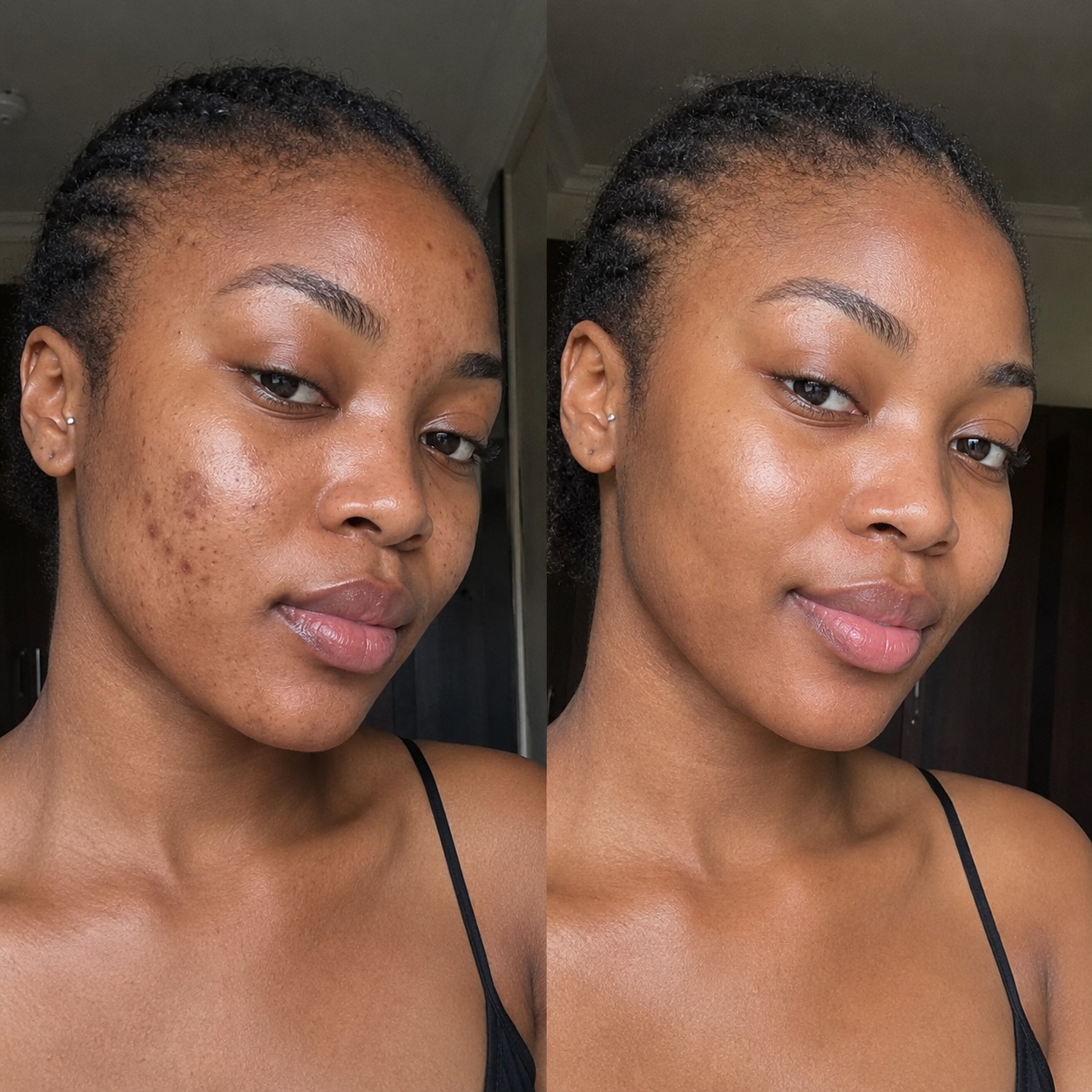
Your acne has finally cleared. You’re relieved. You’re celebrating. But then you look in the mirror and notice something frustrating: dark spots where the acne used to be. Weeks pass. Months pass. The spots are still there, sometimes even more stubborn than the acne itself.
If this sounds familiar, you’re not alone. Dark spots and hyperpigmentation are among the most common concerns I hear about from people across Nigeria—from Lagos to Abuja to Kano. The good news? They’re treatable. The better news? You don’t always need expensive procedures to fade them. The right skincare products, used consistently and correctly, can make a significant difference.
In this guide, I’ll walk you through why dark spots are particularly common on melanin-rich skin, which ingredients actually work, and which products are worth your money. Most importantly, I’ll show you how to build a routine that delivers real results.
Why Dark Spots Are More Common in Melanin-Rich Skin
Before we talk about solutions, let’s understand the problem. Dark spots on melanin-rich skin aren’t random—they’re a direct result of how our skin produces and distributes melanin.
Melanin production and distribution is the foundation. Our skin contains cells called melanocytes that produce melanin, the pigment that gives our skin its beautiful colour. In melanin-rich skin, melanocytes are more active and produce more melanin overall. This is an advantage in many ways—it provides natural sun protection and gives our skin that gorgeous depth. But it also means that when something irritates or injures the skin, the melanocytes can go into overdrive, producing excess melanin in localized areas. This creates what we call hyperpigmentation.
Post-inflammatory hyperpigmentation (PIH) is the most common type of dark spot we see. It happens after inflammation—acne, eczema, a cut, a burn, or even aggressive exfoliation. The skin heals, but the melanin production doesn’t normalize quickly. For people with melanin-rich skin, PIH can last for months or even years if left untreated. Research from the Journal of Clinical and Aesthetic Dermatology shows that PIH is significantly more prevalent in individuals with darker skin tones, sometimes persisting for 6 to 12 months or longer without intervention.
Acne marks deserve their own mention because they’re so common. When acne heals, it often leaves behind dark marks. These aren’t scars—they’re hyperpigmentation. The difference matters because hyperpigmentation can fade completely, while true scars require different treatments.
Other triggers include insect bites (which many of us scratch, causing inflammation), burns (from hot water, cooking, or sun exposure), shaving bumps (especially on the legs and underarms), hormonal changes (which can trigger melasma, a form of hyperpigmentation), and sun exposure (which accelerates melanin production and can darken existing spots).
Understanding these causes is important because it helps you prevent new spots while treating existing ones.
The Biggest Mistake Nigerians Make When Treating Dark Spots
I’ve seen this pattern countless times: someone gets frustrated with dark spots and starts mixing products aggressively, hoping to speed up results. This almost always backfires.
Mixing too many active ingredients at once is the number one mistake. Combining vitamin C serum, retinoid, salicylic acid, and niacinamide all in the same routine can overwhelm your skin barrier and cause irritation, redness, and sometimes even more hyperpigmentation. Your skin needs time to adjust to actives. Start with one, use it consistently for 4-6 weeks, then add another if needed.
Using bleaching creams is another trap. Many people, especially in Nigeria, reach for over-the-counter bleaching creams thinking they’ll fade spots faster. These products often contain hydroquinone or mercury, which can damage your skin long-term, cause ochronosis (a darkening of the skin), and create dependency. They’re not the answer.
Steroid creams fall into a similar category. While they reduce inflammation temporarily, using them on your face long-term can thin your skin and cause other complications. They’re not designed for treating dark spots.
Following social media recommendations without understanding your skin type is risky. What worked for someone else might not work for you-or worse, it might irritate your skin. Dark spot treatments need to be personalized.
Using strong exfoliants incorrectly is another common mistake. Physical scrubs and strong chemical exfoliants can irritate melanin-rich skin, potentially triggering more hyperpigmentation. Gentle, consistent exfoliation is better than aggressive, occasional exfoliation.
The key is patience and consistency. Dark spots fade gradually, not overnight.
Ingredients That Actually Work for Dark Spots
Let’s talk about the ingredients that have real science behind them. These are the ones you should look for in your products.
Vitamin C
Vitamin C is a powerhouse for brightening. It works by inhibiting tyrosinase, an enzyme that produces melanin. It also has antioxidant properties that protect your skin from further damage.
How it works: Vitamin C brightens existing dark spots and prevents new ones from forming. It also boosts collagen production, which can help with skin texture.
Who should use it: Almost everyone, but it’s especially beneficial for those treating hyperpigmentation. If you have sensitive skin, start with a lower concentration (10-15%) and work your way up.
Timeline: You’ll typically see results in 4-8 weeks of consistent use. Some people see improvement in as little as 2-3 weeks.
Precautions: Vitamin C can be unstable and oxidize quickly. Look for serums in opaque bottles. It can also be irritating if you have very sensitive skin, so introduce it gradually.
Niacinamide
Niacinamide (vitamin B3) is gentler than vitamin C but still effective. It regulates sebum production, strengthens your skin barrier, and has anti-inflammatory properties.
How it works: Niacinamide reduces melanin transfer to the skin surface, effectively preventing hyperpigmentation from worsening. It also calms inflammation, which is crucial because inflammation can trigger more dark spots.
Who should use it: Everyone. It’s one of the gentlest actives and works well with almost everything else.
Timeline: 4-6 weeks for noticeable improvement.
Precautions: None significant. It’s very well-tolerated.
Tranexamic Acid
Tranexamic acid is an amino acid that’s gaining popularity in skincare for its brightening effects. It’s particularly effective for melasma and hormonal hyperpigmentation.
How it works: It inhibits plasmin, which triggers inflammation and melanin production. This makes it especially useful for treating stubborn, hormone-related dark spots.
Who should use it: People with melasma or hormonal hyperpigmentation. It’s also great for anyone with sensitive skin because it’s gentle.
Timeline: 6-8 weeks for visible results.
Precautions: None significant. It’s very gentle.
Salicylic Acid
Salicylic acid is a beta-hydroxy acid (BHA) that exfoliates inside the pore. For dark spots, it works by removing the top layer of skin where excess melanin has accumulated.
How it works: It exfoliates gently and consistently, allowing fresh, less pigmented skin to surface. It also has anti-inflammatory properties.
Who should use it: People with oily or acne-prone skin. If you have dry or sensitive skin, use it sparingly (1-2 times per week).
Timeline: 6-8 weeks for noticeable fading.
Precautions: Can be drying. Always follow with a good moisturizer. Don’t use with retinoids on the same night.
Alpha Arbutin
Alpha arbutin is a natural ingredient derived from bearberry that inhibits tyrosinase, similar to vitamin C but gentler.
How it works: It prevents melanin production and is particularly effective for post-inflammatory hyperpigmentation.
Who should use it: People with sensitive skin who want to avoid vitamin C. It’s also great for those with reactive skin.
Timeline: 8-12 weeks for significant results.
Precautions: It’s slower-acting than vitamin C, so patience is key.
Kojic Acid
Kojic acid is derived from fungi and is a traditional ingredient in Asian skincare. It inhibits tyrosinase and is particularly effective for stubborn dark spots.
How it works: Similar to vitamin C and alpha arbutin, but with a different mechanism. It’s often used in combination with other brightening ingredients.
Who should use it: Anyone, but it’s especially useful when combined with other actives.
Timeline: 6-10 weeks for results.
Precautions: Can be irritating in high concentrations. Look for products with 1-2% kojic acid.
Retinoids
Retinoids (vitamin A derivatives) are powerful for skin renewal. They increase cell turnover, which helps shed pigmented skin cells and reveal fresher skin underneath.
How it works: Retinoids speed up skin cell turnover and also have some melanin-inhibiting properties.
Who should use it: People who want to address dark spots and fine lines simultaneously. Start with a low concentration (0.25-0.3% retinol) if you’re new to retinoids.
Timeline: 8-12 weeks for significant improvement.
Precautions: Retinoids can cause dryness, redness, and sensitivity. Always start low and go slow. Use sunscreen religiously. Don’t use with vitamin C on the same night initially.
Sunscreen
I’m listing sunscreen as an ingredient because it’s the most important one. No matter what other products you use, sunscreen is non-negotiable.
How it works: Sunscreen prevents UV rays from triggering melanin production and darkening existing spots. It also prevents new spots from forming.
Who should use it: Everyone, every single day. No exceptions.
Timeline: Immediate prevention of further darkening.
Precautions: Use SPF 30 minimum, but SPF 50 is better. Apply generously and reapply every 2 hours if you’re outdoors.
Best Skincare Products for Dark Spots on Melanin-Rich Skin in Nigeria
Now that you understand the ingredients, let’s talk about specific products that combine these actives effectively.
Kalita C-Light Serum
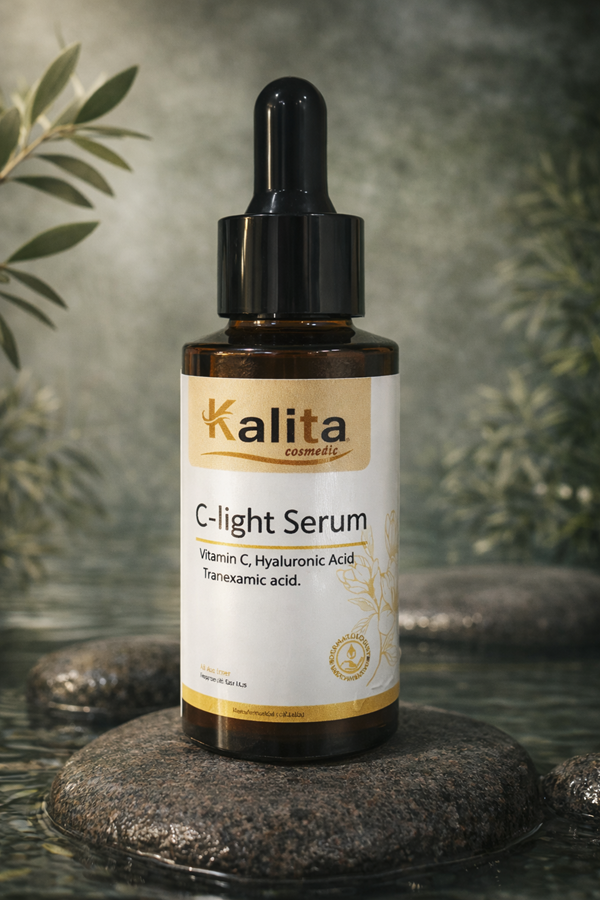
This serum combines vitamin C and tranexamic acid—two of the most effective brightening ingredients. The combination is powerful because vitamin C addresses melanin production while tranexamic acid reduces inflammation.
Why it works: The dual-action formula targets dark spots from multiple angles. Vitamin C brightens existing spots, while tranexamic acid prevents new ones from forming by reducing inflammation.
Best for: Anyone with dark spots, post-inflammatory hyperpigmentation, or uneven skin tone. It’s particularly effective for acne marks.
How to use: Apply 2-3 drops to clean skin in the morning. Follow with moisturizer and sunscreen. You can also use it at night, but morning application is ideal because vitamin C works best with sun protection.
Timeline: Most people see results in 4-6 weeks.
Kalita ClarRX Treatment
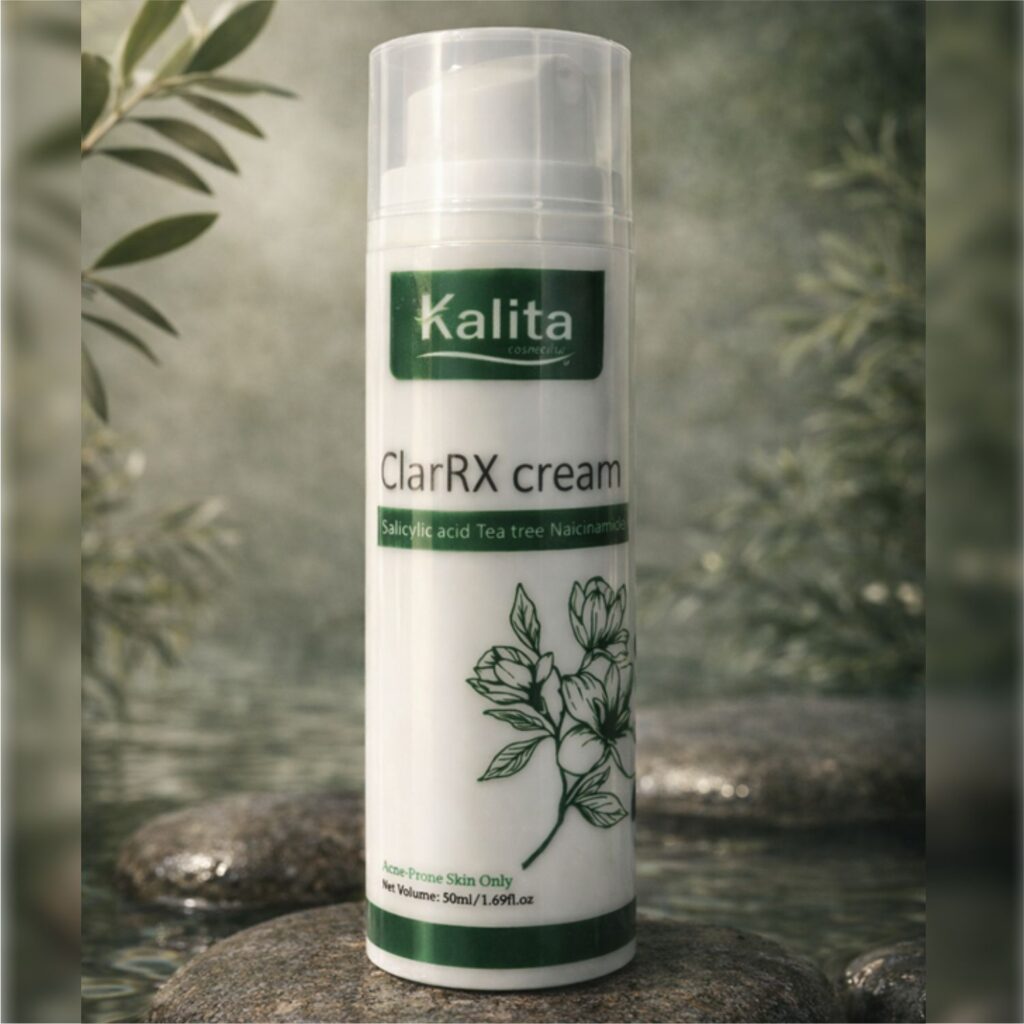
This is an acne control treatment that also prevents dark spots from forming. It contains salicylic acid and niacinamide, which work together to clear acne and prevent the hyperpigmentation that follows.
Why it works: By treating active acne, it prevents the inflammation that leads to dark spots. The niacinamide also calms existing inflammation and reduces melanin transfer.
Best for: People with active acne and dark spots. It’s particularly useful if you’re prone to acne marks.
How to use: Apply to clean skin, focusing on acne-prone areas. Use once daily initially, then twice daily if your skin tolerates it. Follow with moisturizer.
Timeline: Acne typically improves in 2-4 weeks, with dark spot prevention happening simultaneously.
Kalita Claripore Toner
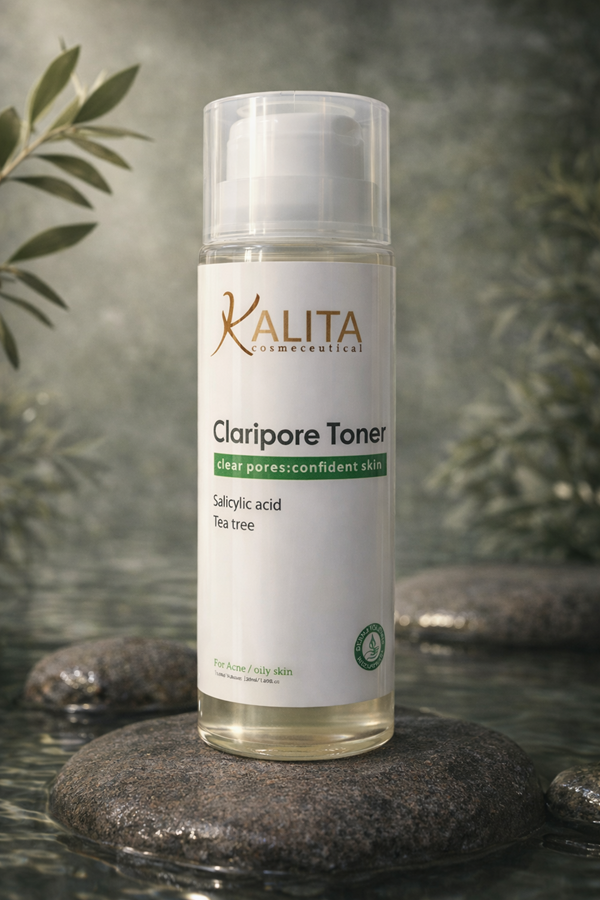
This toner provides gentle exfoliation with niacinamide and a mild acid blend. It removes dead skin cells where pigment accumulates while maintaining your skin barrier.
Why it works: Gentle exfoliation reveals fresher, less pigmented skin. Niacinamide calms inflammation and regulates sebum.
Best for: People with oily or acne-prone skin who want to fade dark spots without irritation.
How to use: Apply with a cotton pad after cleansing, before serums. Use once daily initially, then twice daily if tolerated.
Timeline: Results in 4-6 weeks.
Kalita Ultraveil Sunscreen SPF 50
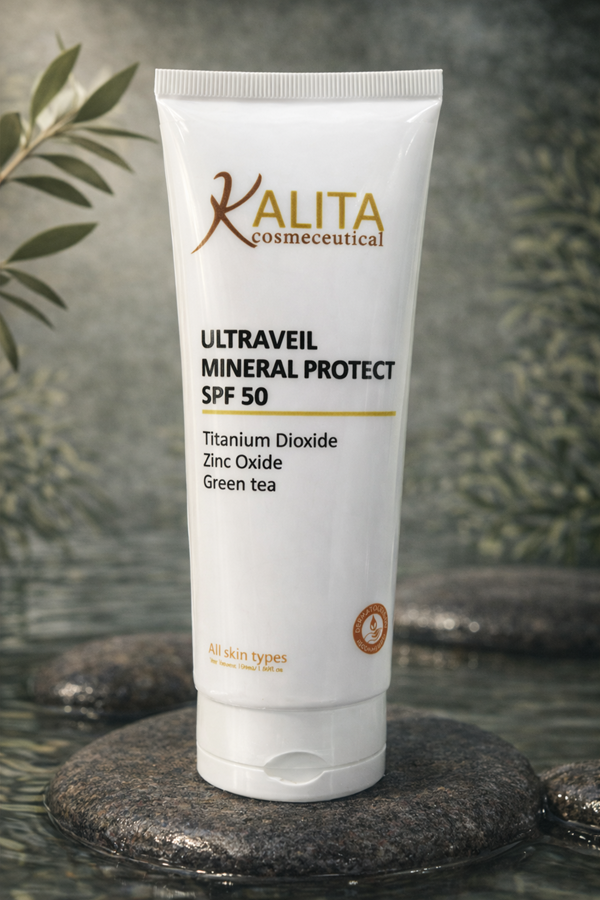
A broad-spectrum sunscreen formulated for melanin-rich skin. It doesn’t leave a white cast and provides reliable UV protection.
Why it’s essential: Sunscreen is the foundation of any dark spot treatment routine. Without it, UV rays will darken existing spots and create new ones, undoing all your progress.
Best for: Daily use, every single day, regardless of weather or whether you’re indoors.
How to use: Apply generously (about 1/4 teaspoon for your face) 15 minutes before sun exposure. Reapply every 2 hours if outdoors.
Timeline: Immediate prevention of further darkening.
A Simple Morning and Night Routine for Dark Spots
Consistency is everything. Here’s a simple routine that combines these products effectively.
Morning Routine
1. Cleanse: Use a gentle cleanser to remove overnight oils and impurities. 2. Apply Kalita C-Light Serum: This is your brightening powerhouse. Apply 2-3 drops and let it absorb for a minute. 3. Moisturize: Use a lightweight moisturizer to lock in hydration. 4. Apply Kalita Ultraveil Sunscreen SPF 50: This is non-negotiable. Apply generously and wait 15 minutes before going out.
Evening Routine
1. Cleanse: Use a gentle cleanser to remove the day’s dirt and sunscreen. 2. Apply Kalita Claripore Toner: This gentle exfoliant removes dead skin cells where pigment accumulates. 3. Apply Kalita ClarRX Treatment: Focus on any active acne or areas prone to dark spots. 4. Moisturize: Use a richer moisturizer at night to support your skin barrier.
Pro tip: Introduce these products gradually. Start with the serum and sunscreen for a week, then add the toner, then the treatment. This prevents overwhelming your skin.
How Long Does It Take to Fade Dark Spots?
This is the question everyone asks. The answer depends on several factors: how old the spots are, how deep the pigmentation is, your skin’s natural healing rate, and how consistent you are with treatment.
4 weeks: You might notice the spots are slightly less noticeable. Don’t get discouraged if you don’t see major changes yet. This is the adjustment period.
8 weeks: Most people see significant improvement. The spots are noticeably lighter, and the skin tone is more even.
12 weeks: For many people, dark spots have faded considerably or disappeared entirely. This is when you can really see the power of consistency.
Severe pigmentation: If you have deep, stubborn spots (like melasma), it might take 16-24 weeks or longer. Some people benefit from professional treatment at Doo Havilah Aestheticss in combination with products.
The reality: Dark spots don’t disappear overnight. They fade gradually. But if you stick with it, you will see results.
When Products Alone Are Not Enough
Sometimes, despite your best efforts with skincare products, dark spots persist. This is when professional treatments become necessary.
chemical peels use stronger acids to remove the outer layers of skin where pigment accumulates. They’re more effective than at-home treatments and can fade stubborn spots in 1-3 sessions.
microneedling creates controlled micro-injuries that trigger your skin’s healing response, boosting collagen and melanin remodeling. It’s particularly effective for post-inflammatory hyperpigmentation.
PRP (Platelet-Rich Plasma) uses your own blood’s healing factors to stimulate skin renewal. It’s especially useful for melasma and stubborn hyperpigmentation.
laser treatments target melanin directly, breaking it down so your body can eliminate it. Different lasers work for different types of hyperpigmentation.
If you’ve been consistent with products for 12+ weeks and still aren’t seeing the results you want, it’s time to consult a professional. Doo Havilah Aesthetics in Abuja provides professional skin assessments and advanced treatment options for clients struggling with persistent hyperpigmentation. A dermatologist or aesthetician can assess your specific situation and recommend the best course of action.
Frequently Asked Questions
1. What causes dark spots on black skin?
Dark spots on melanin-rich skin are typically caused by post-inflammatory hyperpigmentation (from acne, eczema, or injury), sun exposure, hormonal changes, or melasma. The melanocytes in melanin-rich skin are more active, so they respond more dramatically to inflammation.
2. Which serum is best for dark spots in Nigeria?
A serum containing vitamin C and tranexamic acid is ideal. Kalita C-Light Serum is specifically formulated for this purpose and is available in Nigeria. Look for serums with at least 10% vitamin C and 3-5% tranexamic acid.
3. How long does it take for dark spots to fade?
Most people see noticeable improvement in 6-8 weeks with consistent product use. Significant fading typically takes 12 weeks or longer. Stubborn spots may take 16-24 weeks or require professional treatment.
4. Does sunscreen help dark spots?
Absolutely. Sunscreen prevents UV rays from darkening existing spots and triggering new ones. It’s the most important step in preventing dark spots from worsening. Use SPF 50 daily.
5. Can acne marks disappear completely?
Yes, acne marks (which are hyperpigmentation, not true scars) can fade completely with the right treatment. It takes time and consistency, but they do disappear.
6. What ingredients should I avoid?
Avoid bleaching creams with hydroquinone or mercury, steroid creams (for long-term use), and strong physical scrubs. These can damage your skin or cause more problems than they solve.
7. Is Vitamin C safe for dark skin?
Yes, vitamin C is safe and effective for melanin-rich skin. It actually works better on darker skin tones because the contrast between treated and untreated areas is more visible. Start with a lower concentration (10-15%) if you have sensitive skin.
8. When should I see a skincare professional?
If you’ve been consistent with products for 12+ weeks and aren’t seeing results, or if you have severe melasma or deep pigmentation, consult a professional. They can recommend treatments like chemical peels, microneedling, or laser therapy.
Conclusion
Dark spots don’t have to be permanent. With the right products, consistency, and patience, you can fade them significantly or eliminate them entirely. The key is understanding what causes them, choosing products with proven ingredients, and sticking with your routine even when results seem slow.
Remember: your skin is unique. What works for someone else might need adjustment for you. Start with the basics—a good vitamin C serum, niacinamide, gentle exfoliation, and sunscreen—and build from there. Give each product at least 6-8 weeks before deciding if it’s working.
Most importantly, be patient with yourself. Your skin didn’t develop dark spots overnight, and it won’t fade them overnight either. But it will fade them. Consistency, the right ingredients, and sun protection are your best friends.
Ready to start your dark spot journey? Choose one product to begin with, commit to using it for 8 weeks, and watch your skin transform. Your future self will thank you.
—
Want personalized guidance? Book a professional skin consultation to get a routine tailored specifically to your skin type and concerns. A skincare professional can assess your hyperpigmentation and recommend the best combination of treatments and products for your unique situation.
Ready to fade those dark spots? Book a consultation with Doo Havilah Aesthetics today. Visit www.doohavilahaesthetics.com or call 0701 620 2776