
Let’s be honest.
When most people hear “chemical peel,” their mind goes straight to something scary – burning, peeling, hiding indoors for weeks.
And yet… it’s one of the most effective treatments for acne, dark spots, uneven tone, and dull skin.
So what’s actually true?
Let’s walk through it properly – no hype, no fear, just clarity.
First, What Is a Chemical Peel (Really)?
A chemical peel is a controlled skin renewal treatment.
That’s it.
It uses carefully selected acids to:
- remove damaged outer layers
- stimulate new skin growth
- improve overall skin quality
Think of it like this:
👉 Your skin has layers of damage – from sun, acne, harsh products, or neglect
👉 A chemical peel helps your skin reset and rebuild properly
Not forcefully. Not aggressively.
Intelligently.
Why Most People Actually Need It (But Don’t Know)
Here’s what usually happens:
You try different products.
You switch routines.
You follow trends.
But your skin still looks:
- dull
- uneven
- patchy
- stubbornly pigmented
That’s because products work on the surface.
But many skin concerns – especially in melanin-rich skin – sit deeper.
This is where chemical peels come in.
They don’t just “treat.”
They correct.
What Happens Before the Peel (This Part Matters Most)
At a serious clinic, the treatment doesn’t start with the peel.
It starts with assessment.
At Doo Havilah, for example, this includes:
- skin analysis
- understanding your history
- identifying triggers (acne, sun, hormones, etc.)
- checking how your skin reacts
Why?
Because not all peels are the same.
Using the wrong one, especially on darker skin, can make things worse.
That’s why customization is everything.
Step-by-Step: What Actually Happens During a Chemical Peel
Let’s break it down.
1. Cleansing
Your skin is first cleaned thoroughly.
This removes:
- oil
- dirt
- product buildup
Clean skin ensures the peel works evenly.
2. Skin Preparation
A prep solution may be applied to balance your skin and allow better penetration.
This step is subtle, but important.
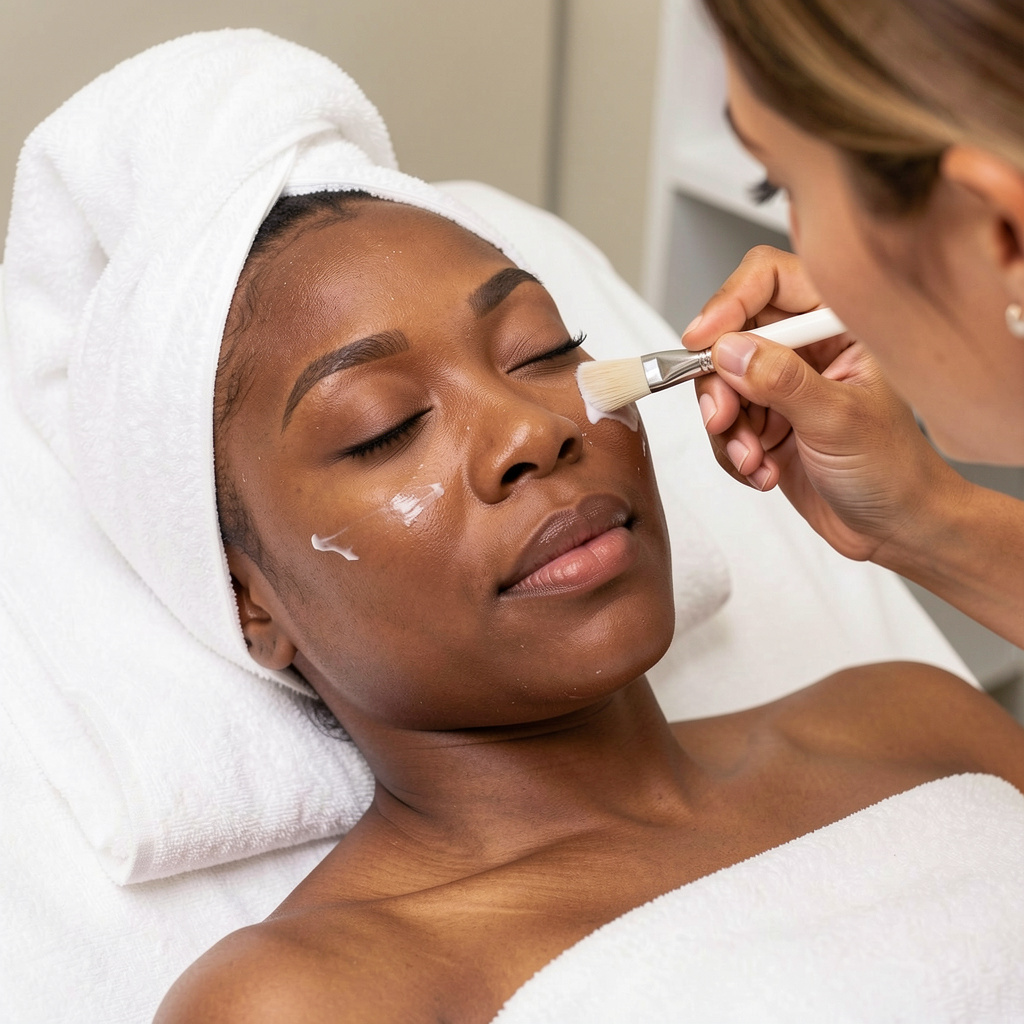
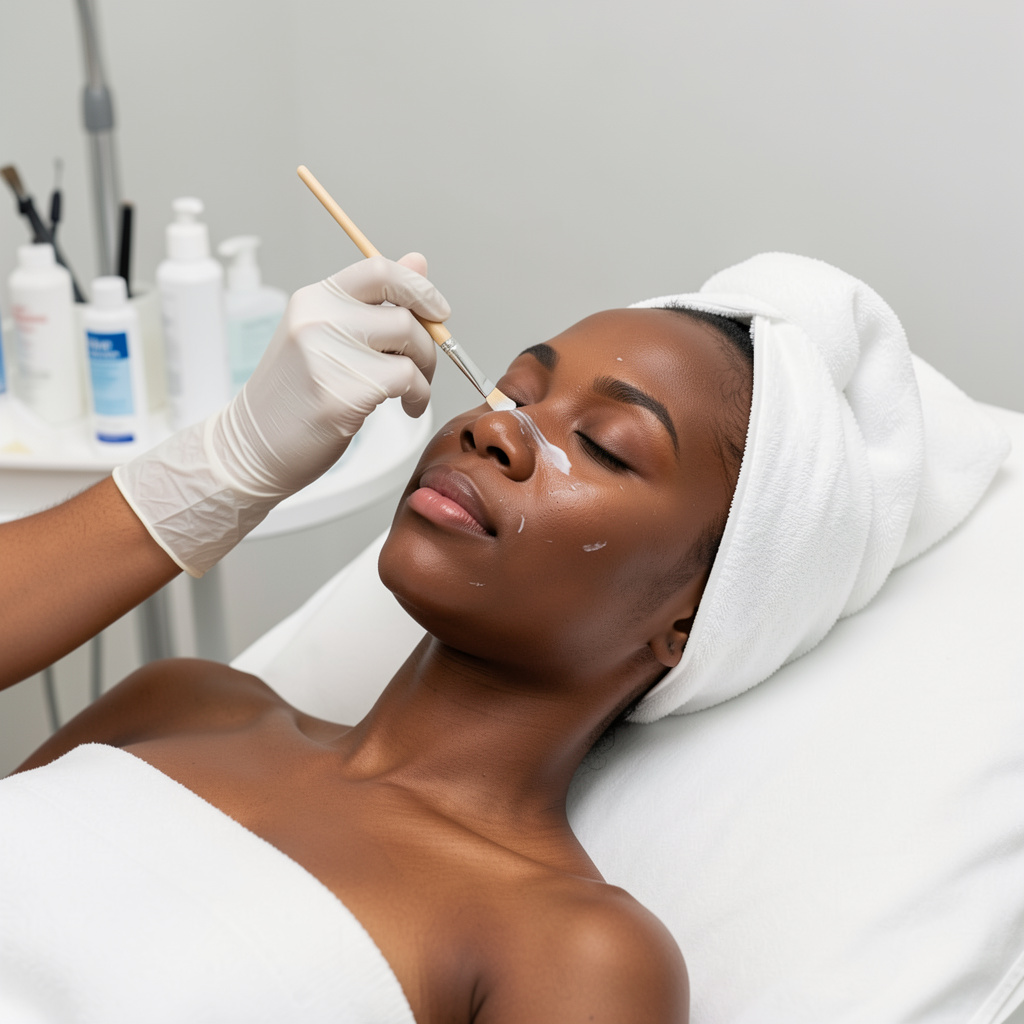
3. Application of the Peel
Now comes the main part.
A carefully selected chemical solution is applied to your skin.
You might feel:
- slight tingling
- warmth
- mild stinging
Nothing extreme.
This is the treatment activating your skin, not damaging it.
4. Monitoring (This Is Where Expertise Shows
A trained professional doesn’t just “apply and leave.”
They watch your skin closely:
- how it reacts
- how fast it responds
- when to stop
This is especially critical for melanin-rich skin, where over-treatment can trigger pigmentation.
5. Neutralization or Removal
Depending on the peel type, it is either neutralized or removed after a specific time.
This stops the action safely.
6. Post-Treatment Care
Your skin is then calmed with:
- soothing products
- hydration
- sun protection
This step is what ensures good results instead of complications.
What Happens After the Peel?
This is where expectations need to be clear.
Not everyone “peels” dramatically.
You may experience:
- light flaking
- mild dryness
- subtle shedding
Or sometimes, almost nothing visible.
And that’s okay.
Because the real work is happening beneath the surface.
What Results Should You Expect?
Over the next days to weeks, you’ll notice:
- brighter skin
- smoother texture
- reduced dark spots
- more even tone
For conditions like:
- acne
- hyperpigmentation
- acne scars
Multiple sessions are often needed.
Because real skin correction is a process, not a one-time fix.
Why Chemical Peels Are Different for Melanin-Rich Skin
This is important.
Melanin-rich skin is:
- more reactive
- more prone to pigmentation
- more sensitive to incorrect treatments
This means:
👉 aggressive peels can cause more harm than good
👉 wrong techniques can worsen dark spots
That’s why expertise matters.
At Doo Havilah, treatments are selected and performed with:
- precision
- patience
- long-term safety in mind
Because healthy skin > fast results
Common Mistakes People Make
Let’s clear this up.
❌ Using random peels at home
This is one of the fastest ways to damage your skin barrier.
❌ Chasing “fast results
If it’s too aggressive, your skin will react, especially with pigmentation.
❌ Not using sunscreen after
This alone can reverse your results.
❌ Not following a treatment plan
One peel won’t fix long-term damage.
Who Should Consider a Chemical Peel?
You’re a good candidate if you’re dealing with:
- acne
- dark spots
- uneven tone
- rough texture
- dull skin
Especially if:
👉 products are no longer working
👉 your skin feels “stuck”
What Most Clinics Won’t Tell You
Here’s the truth:
Chemical peels are not magic.
They are tools.
What matters is:
- how they are used
- who is using them
- what plan they are part of
A peel done without strategy is just… a peel.
A peel done correctly becomes part of skin transformation.
So… Should You Get One?
If your skin has been:
- inconsistent
- frustrating
- not responding
Then yes — but not blindly.
The right approach is:
👉 proper consultation
👉 customized treatment
👉 guided plan
Final Thoughts
Your skin doesn’t need more products.
It needs the right intervention.
Chemical peels, when done correctly, are not harsh.
They are corrective, controlled, and effective.
And for melanin-rich skin, they can be the difference between:
👉 temporary glow
and
👉 long-term clarity
Ready to Take the Next Step?
If you’re tired of guessing what your skin needs…
It might be time to stop experimenting and start correcting.
At Doo Havilah Aesthetics, every treatment starts with understanding your skin — not rushing it.
Because your skin holds value.
And it deserves to be treated that way.